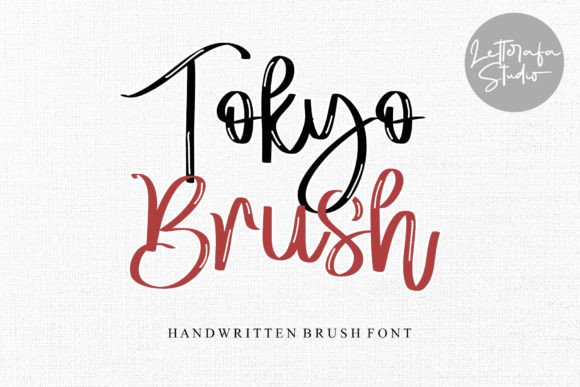
Tokyo Brush: A Fresh Handwritten Font for Modern Web Design
Bringing Personality to Digital Layouts with Tokyo Brush
Tokyo Brush is a natural, handwritten script font that adds a touch of warmth and authenticity to any digital design. Its flowing strokes and organic texture make it ideal for web designers looking to inject personality into brand-focused experiences. Whether used in a hero header, landing page, or product banner, Tokyo Brush stands out without overwhelming the layout. As a Script Amp typeface, it bridges the gap between casual and professional, making it versatile for a wide range of digital applications.
How Tokyo Brush Enhances Web Usability
Typography plays a critical role in how users interact with a website. Tokyo Brush, while decorative, is designed with readability in mind. Its open letterforms and natural spacing ensure it remains legible even at smaller sizes, especially when used for section headers, buttons, and short phrases. For UI designers, this font works well in conversion-focused layouts where a human touch can improve trust and engagement. When layered over image backgrounds or used on light and dark themes, Tokyo Brush maintains clarity and visual impact.
Perfect for Brand Identity and Creative Web Experiences
Whether you're designing a boutique online store, a creative portfolio, or a coaching website, Tokyo Brush helps establish a consistent brand tone. Its handwritten aesthetic appeals to audiences looking for authenticity, making it ideal for lifestyle brands, digital courses, and artisanal shops. Using Tokyo Brush in logo design or branded web content reinforces a cohesive visual identity. For SaaS founders and bloggers, it can serve as a signature accent that differentiates their digital presence from more generic typefaces.
Where to Use Tokyo Brush in Web Design
Here are some practical use cases for Tokyo Brush across digital platforms:
- Hero Sections: Ideal for bold, engaging headlines that set the tone for a landing page or product page.
- Call-to-Action Buttons: Adds a human, approachable feel to key conversion points.
- Blog Headers: Makes editorial content more visually appealing without sacrificing readability.
- Portfolio Sites: Perfect for showcasing creative work with a personal touch.
- Social Media Graphics: Brings consistency to brand visuals across platforms.
Readability Tips for Responsive Web Design
When using Tokyo Brush on mobile screens or in responsive layouts, consider adjusting font size and line height for optimal legibility. Avoid using it for long paragraphs or body text—stick to short, impactful phrases. For dark backgrounds, ensure there's enough contrast between the font color and background. On image overlays, use subtle drop shadows or light text outlines to maintain clarity. Tokyo Brush works best when it's used as a display font rather than a workhorse text font.
Font Pairing Strategies with Tokyo Brush
One of the strengths of Tokyo Brush is its ability to pair well with a variety of supporting fonts. For web design, pairing a decorative script like Tokyo Brush with a clean sans serif font creates a balanced visual hierarchy. Use Tokyo Brush for titles and accents, and a simple, readable font like Helvetica or Lato for body copy. For more editorial-focused sites, combining Tokyo Brush with a serif font can enhance the typographic depth while maintaining a cohesive brand voice.
Technical Features and Web Compatibility
When selecting a premium font for web use, it's essential to check the included styles, weights, and file formats. Tokyo Brush typically includes multiple alternates and ligatures, allowing designers to customize the look for different applications. Ensure the font is available in standard webfont formats such as WOFF and WOFF2 for compatibility across browsers. If your project targets a global audience, verify that the font supports multilingual characters and special glyphs.
Licensing and Commercial Use Considerations
For web designers and digital product creators, understanding font licensing is crucial. Tokyo Brush, like many premium fonts, may require a commercial license for use in client websites, online stores, digital templates, or brand kits. Always check the licensing terms before embedding the font in a live site or distributing it as part of a design asset. A proper license ensures legal compliance and protects both the designer and the client from potential issues down the line.