Snowy Bunny: A Festive Handwritten Font for Creative Branding
Opening a Blank Brand Board and Testing Snowy Bunny
There I was, staring at a blank brand board for a local artisanal bakery looking to refresh their visual identity. The brief called for warmth, personality, and a touch of whimsy—perfect conditions for testing a handwritten font like Snowy Bunny. As I dropped the font into the logo concept, I immediately noticed how its soft, flowing strokes and gentle bounce gave the design a handmade charm that felt both joyful and professional.
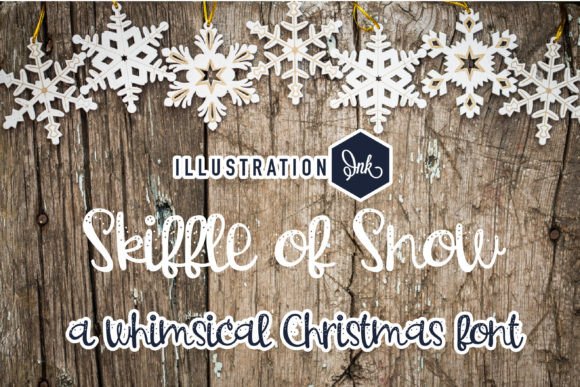
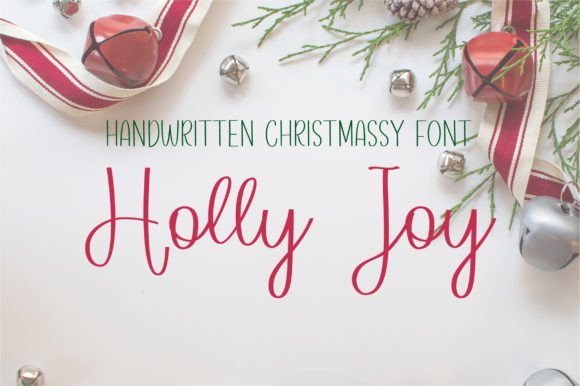
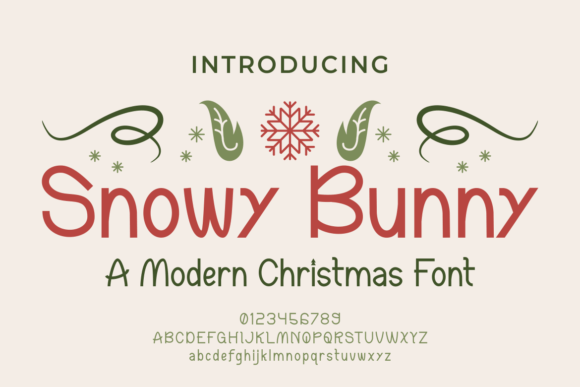
Snowy Bunny is a sweet and festive handwritten font that stands out in the Script Amp category. It’s not overly stylized, which makes it more versatile than many decorative fonts. The letterforms feel organic, like someone carefully wrote them with a brush pen, but with the consistency needed for digital design. It has a cheerful personality, making it ideal for brands that want to communicate approachability, creativity, and a bit of playfulness.
How Snowy Bunny Performs Across Branding Applications
I tested Snowy Bunny across several branding elements: a logo draft, a packaging mockup, a business card layout, a website header, and a social media graphic. In each case, the font brought a unique warmth and personality that elevated the overall design.
- Logo Design: Used as a primary logotype for a bakery, Snowy Bunny added a personal, artisanal touch. It paired beautifully with a simple icon of a rolling pin or a loaf of bread.
- Packaging: On a mockup of a cookie box, the font looked charming and festive, especially when paired with a clean sans serif for secondary text.
- Business Cards: Snowy Bunny worked well for the business name but was less readable for addresses or phone numbers, which I quickly switched to a sans serif.
- Website Headers: On a homepage hero section, it looked elegant and inviting—perfect for a call-to-action like “Order Your Holiday Treats Today.”
- Social Media: For Instagram quotes and event announcements, the font’s festive tone matched the brand’s joyful aesthetic.
Where Snowy Bunny Shines—and Where It Doesn’t
Snowy Bunny is best used as a display font, logo font, or accent font. It’s not suitable for long body text due to its decorative nature and varying stroke widths. At small sizes, some letters can become difficult to distinguish, especially in lowercase. It’s also not ideal for formal or corporate branding, where clarity and neutrality are more important than personality.
This font works best in festive branding projects, such as holiday campaigns, boutique identities, handmade shops, or creative studios that want to emphasize a personal, handcrafted feel. It’s also a great choice for packaging design and product labels where a touch of whimsy can make a strong visual impact.
Pairing Snowy Bunny With Other Typefaces
One of the most important aspects of using a decorative font like Snowy Bunny is pairing it with complementary typefaces. I found that it worked especially well with clean, modern sans serif fonts like Montserrat or Lato, which provided a nice contrast without overpowering the design. For more traditional or elegant projects, a serif font like Playfair Display or Cinzel added a sophisticated balance.
When pairing, I always made sure to use Snowy Bunny as the headline or accent font and kept supporting text in a more legible style. This helped maintain visual hierarchy and ensured that the message remained clear and readable.
What to Look for When Testing Snowy Bunny
Before finalizing any design with Snowy Bunny, I recommend testing it in multiple formats and sizes. Here’s what to look for:
- Readability: Does the font still work when scaled down for packaging or printed materials?
- Consistency: Are the letterforms balanced and uniform across different weights and styles?
- Ligatures and Alternates: Does the font include stylistic alternates or ligatures that add visual interest?
- Multilingual Support: Is it suitable for international use if needed?
- Webfont Availability: Can it be easily embedded on websites without performance issues?
Snowy Bunny comes in several file formats, including OTF and TTF, and is compatible with most design software. It also includes basic ligatures and swashes, which added a nice touch to the bakery’s logo and packaging design.
Final Notes on Licensing and Commercial Use
Before using Snowy Bunny in any commercial design project, always double-check the font’s licensing terms. Some fonts are only free for personal use and require a commercial license for client work, packaging, merchandise, or templates. Snowy Bunny is a premium font, so it likely comes with a clear licensing agreement that allows for professional use, but it’s always better to confirm before delivering final files.