Outfit: A Handwritten Font That Elevates Craft and Product Design
As a crafter and small shop owner, I’m always on the hunt for fonts that are both beautiful and practical. Outfit, a fun and friendly handwritten font, has become a go-to in my design toolkit. It brings a personal, approachable charm that works especially well for physical products, digital downloads, and everything in between. Whether you're creating greeting cards, labels, or SVG-style designs, this Script Amp font offers the right balance of style and readability.
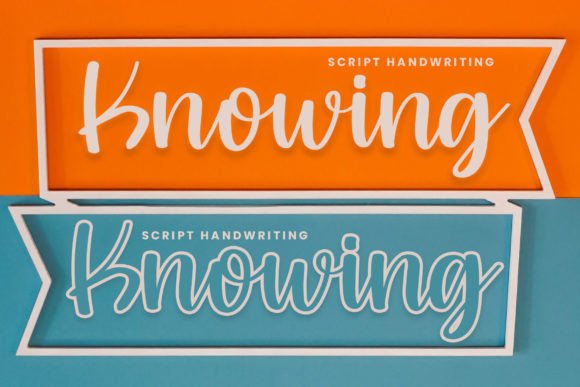
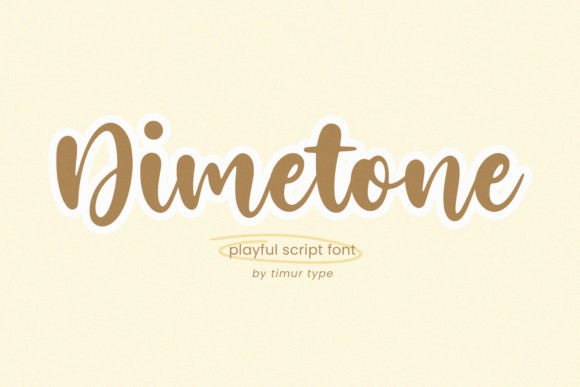
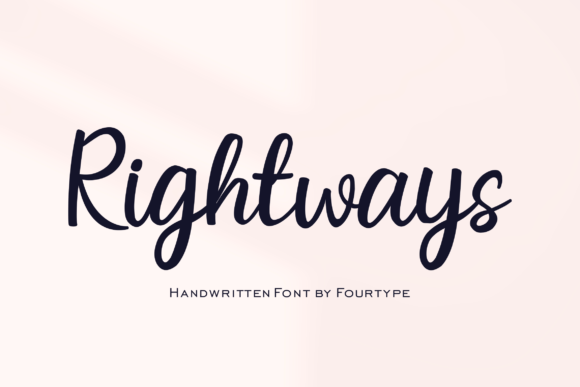
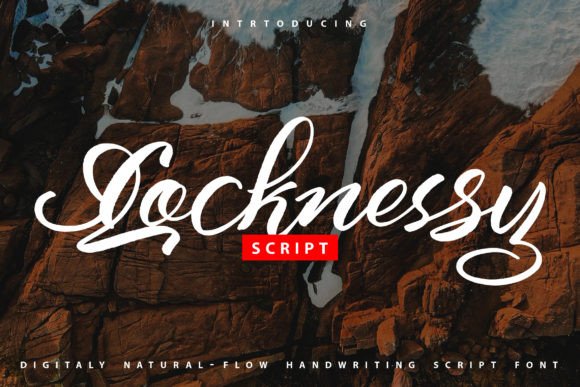
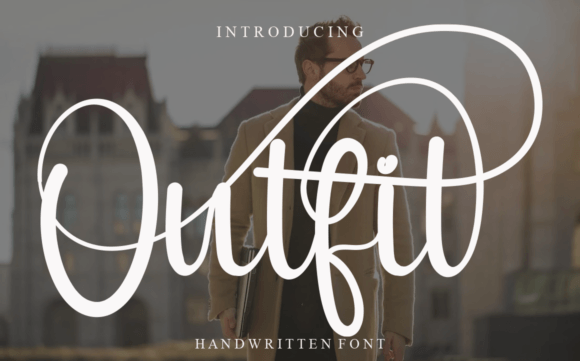
Outfit has a whimsical yet clean personality. Its strokes mimic natural handwriting, making it feel warm and authentic. It’s not overly ornate, which means it’s perfect for projects where you want a touch of personality without sacrificing clarity. I’ve used it for everything from boutique product tags to digital planner pages, and it always adds a subtle but noticeable quality boost.
Where Outfit Shines in Craft and Commercial Projects
One of my favorite things about Outfit is how versatile it is across different product types. Here are a few ways I’ve used it successfully:
- Candle and Product Labels: The font’s clean curves and open spacing make it easy to read even on small sticker formats. It gives a handmade feel without looking messy or unprofessional.
- Wedding Invitations and Stationery: Outfit adds a romantic, personal touch to names and titles. I often use it for the couple’s names on save-the-dates or for event signage at bridal showers.
- Digital Printables: From wall art to quote posters, Outfit keeps the design looking fresh and modern. It pairs well with minimalist layouts, making it ideal for printable décor.
- Seasonal Crafts: Whether it’s a “Welcome” sign for fall or a “Merry Christmas” tag on handmade ornaments, Outfit brings a cheerful, handwritten vibe that feels intentional and on-brand.
Because of its legibility, I also use Outfit for product packaging. It works great on tote bags, mugs, and t-shirts—especially when you want the text to be decorative but still readable from a distance.
Design Impact: How Outfit Enhances Your Brand
Font choice plays a bigger role in brand identity than many makers realize. Outfit isn’t just pretty—it helps build a consistent, recognizable visual tone. When customers see that same friendly script on your packaging, social media graphics, and product tags, they start to associate it with your brand. This kind of consistency can elevate your shop from a collection of items to a cohesive, professional brand.
I’ve found that using Outfit on greeting cards and wedding stationery gives them a more premium feel. Even if the materials are simple, the typography makes it look like a designer product. That perceived quality can help justify your pricing and attract more discerning buyers.
Best Uses for Outfit
Outfit works best for short phrases, titles, and decorative text rather than long paragraphs. It’s a display font by nature, which means it shines in headlines, logos, and product names. That said, I’ve used it in planner templates for section headers and it still reads clearly on both screen and print.
When using it with cutting machines like Cricut or Silhouette, make sure to size it appropriately for the material. I’ve used it for vinyl signs at 1.5 inches tall and it still held up beautifully. For small stickers or tags, I recommend avoiding the thinnest styles unless you’re using a high-quality printer or vinyl cutter.
Pairing Outfit With Other Fonts
Font pairing is essential for layered designs, especially in invitations, packaging, and web design. Outfit pairs beautifully with clean sans serif fonts like Montserrat or Lato for contrast. If you want a more rustic or vintage feel, try combining it with a simple serif font like Merriweather.
For example, I recently designed a farmhouse-style welcome sign using Outfit for the main greeting and a bold serif for the subtitle. The result was both warm and structured. For logo design, pairing Outfit with a minimalist sans serif gives a modern, boutique aesthetic that works well across product lines.
What to Look for in the Font Files
Before diving into a project, check what styles and alternates are included with Outfit. Many premium fonts offer ligatures, swashes, and multiple weights that can add depth to your designs. If you're creating logos or packaging design, having access to stylistic alternates can help you customize the look without switching fonts.
Also, make sure the file formats are compatible with your tools. Most modern fonts come in OTF, TTF, and sometimes WOFF for web use. Multilingual support is a bonus if you sell internationally or offer templates in different languages.
Commercial Use and Licensing
If you’re selling physical products, printables, or digital downloads, it’s crucial to verify the font’s licensing terms. Outfit, like many commercial fonts, typically allows use in product designs, but always double-check the license before using it in templates or client work. Some premium fonts require an extended license for resale items, so it’s worth confirming to avoid issues down the line.
I always keep a copy of the font license in my design assets folder. It’s a small step that protects your business and ensures your creative font choices remain legal and ethical.
Final Notes on Using Outfit
Outfit is more than just a handwritten font—it’s a design asset that brings personality and professionalism to your work. Whether you’re building brand identity, creating digital printables, or crafting physical products, this Script Amp font helps your message feel both authentic and polished. It’s a smart choice for makers who want to stand out in a crowded market with modern typography that customers love.